
One Reddit Pipeline cluster pointed straight at the first product.
It pulled the same complaint across different threads fast. That gave us a tight first product and got us to $3.2k MRR.


Ryden Sun
Elisi
Research and plan your product with AI
Loved By Founders
See what our customers think. Founders turned real complaints into validated products and their first paying customers.
It pulled the same complaint across different threads fast. That gave us a tight first product and got us to $3.2k MRR.
Ryden Sun
Elisi
We stopped guessing and built around the request that kept repeating in reviews.


Amit Arora
The Action Tracker - Life Planner
Once the same friction points stacked up in reviews, the better product angle was obvious. That turned into five figures in lifetime revenue in the first few months.


Om Patel
Linkeddit
Instead of reading random reviews one by one, we could see the same complaint repeating. That made the roadmap much easier to commit to and helped us win the first paid teams faster.


Georgi Marinov
AI VisionBoard
Seeing funded companies around the problem gave us confidence to build a tighter version of it and close the first few customers sooner.


Matthieu Vaxelaire
Mention
That was enough proof for us. We turned the service into a product and cleared five figures in total sales much faster than expected.


Antonio Gonzalez
Reaction Free
It pulled the same complaint across different threads fast. That gave us a tight first product and got us to $3.2k MRR.
Ryden Sun
Elisi
We stopped guessing and built around the request that kept repeating in reviews.
Amit Arora
The Action Tracker - Life Planner
Once the same friction points stacked up in reviews, the better product angle was obvious. That turned into five figures in lifetime revenue in the first few months.
Om Patel
Linkeddit
Instead of reading random reviews one by one, we could see the same complaint repeating. That made the roadmap much easier to commit to and helped us win the first paid teams faster.
Georgi Marinov
AI VisionBoard
Seeing funded companies around the problem gave us confidence to build a tighter version of it and close the first few customers sooner.
Matthieu Vaxelaire
Mention
That was enough proof for us. We turned the service into a product and cleared five figures in total sales much faster than expected.
Antonio Gonzalez
Reaction Free
When the same problem kept showing up from different users, the opportunity became much easier to trust.


Matthew Podolak
Lingocat
The reviews were blunt about what felt broken. That made the next product decision straightforward.


Kyrylo Silin
Telebugs
The same complaints showed up across multiple tools, so we leaned into a simpler product shape and landed our first paid pilot quickly.


Benjamin Sloutsky
ClothingAI
Once the same complaints lined up across competitors, it was obvious which smaller niche to go after. That got us to revenue faster instead of rebuilding the pitch every week.


YC J
Fleak
We exported the signals we cared about and used them in our own process right away. That helped us tighten the product and push toward our first enterprise deal.


Milton Ren
Focumon
When the same problem kept showing up from different users, the opportunity became much easier to trust.
Matthew Podolak
Lingocat
The reviews were blunt about what felt broken. That made the next product decision straightforward.
Kyrylo Silin
Telebugs
The same complaints showed up across multiple tools, so we leaned into a simpler product shape and landed our first paid pilot quickly.
Benjamin Sloutsky
ClothingAI
Once the same complaints lined up across competitors, it was obvious which smaller niche to go after. That got us to revenue faster instead of rebuilding the pitch every week.
YC J
Fleak
We exported the signals we cared about and used them in our own process right away. That helped us tighten the product and push toward our first enterprise deal.
Milton Ren
Focumon
Navigate through Discover, Market Research, Competitor Analysis, Audience Research, Product Requirements, Validation, Build Plan, and Marketing Strategy.
Market Research Stage
Welcome to the **Market Research** phase! Now that we're exploring your idea, we need to validate there's a real market opportunity here.
I want to build a tool that helps developers find and fix bugs faster using AI
Great! Let's research the market. I'll help you understand: • Market size and growth trends • Current pain points developers face • What they're willing to pay for solutions Should I start by researching existing bug-tracking tools and developer pain points?
Get contextual help, research assistance, and strategic advice through an AI copilot that understands your journey and goals.
Evidence-based progression system
Each stage has a score threshold (60-100) based on task completion. Pass gates to unlock the next stage or override with reasoning.
Research top 3 competitors
+20Identify feature gaps
+15Define unique value proposition
+20Create positioning statement
+10Tip: Complete tasks to increase your gate score. Use AI help for research and artifact generation.
Complete guided tasks that build your gate score. Get AI help to research competitors, validate ideas, and create artifacts.
Generate market research reports, competitor analyses, customer personas, PRDs, and validation plans - all backed by real data.
All research compiled and ready for execution
After completing all 8 stages, export your entire validated product plan to BuildHub for execution.
Market Research Stage
Welcome to the **Market Research** phase! Now that we're exploring your idea, we need to validate there's a real market opportunity here.
I want to build a tool that helps developers find and fix bugs faster using AI
Great! Let's research the market. I'll help you understand: • Market size and growth trends • Current pain points developers face • What they're willing to pay for solutions Should I start by researching existing bug-tracking tools and developer pain points?
Evidence-based progression system
Research top 3 competitors
+20Identify feature gaps
+15Define unique value proposition
+20Create positioning statement
+10Tip: Complete tasks to increase your gate score. Use AI help for research and artifact generation.
All research compiled and ready for execution
See what founders have created
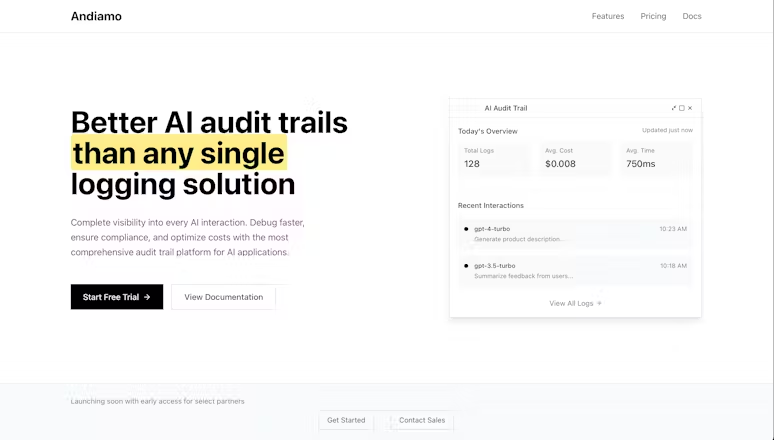
AI-powered travel planning platform that creates personalized itineraries based on your preferences and budget.
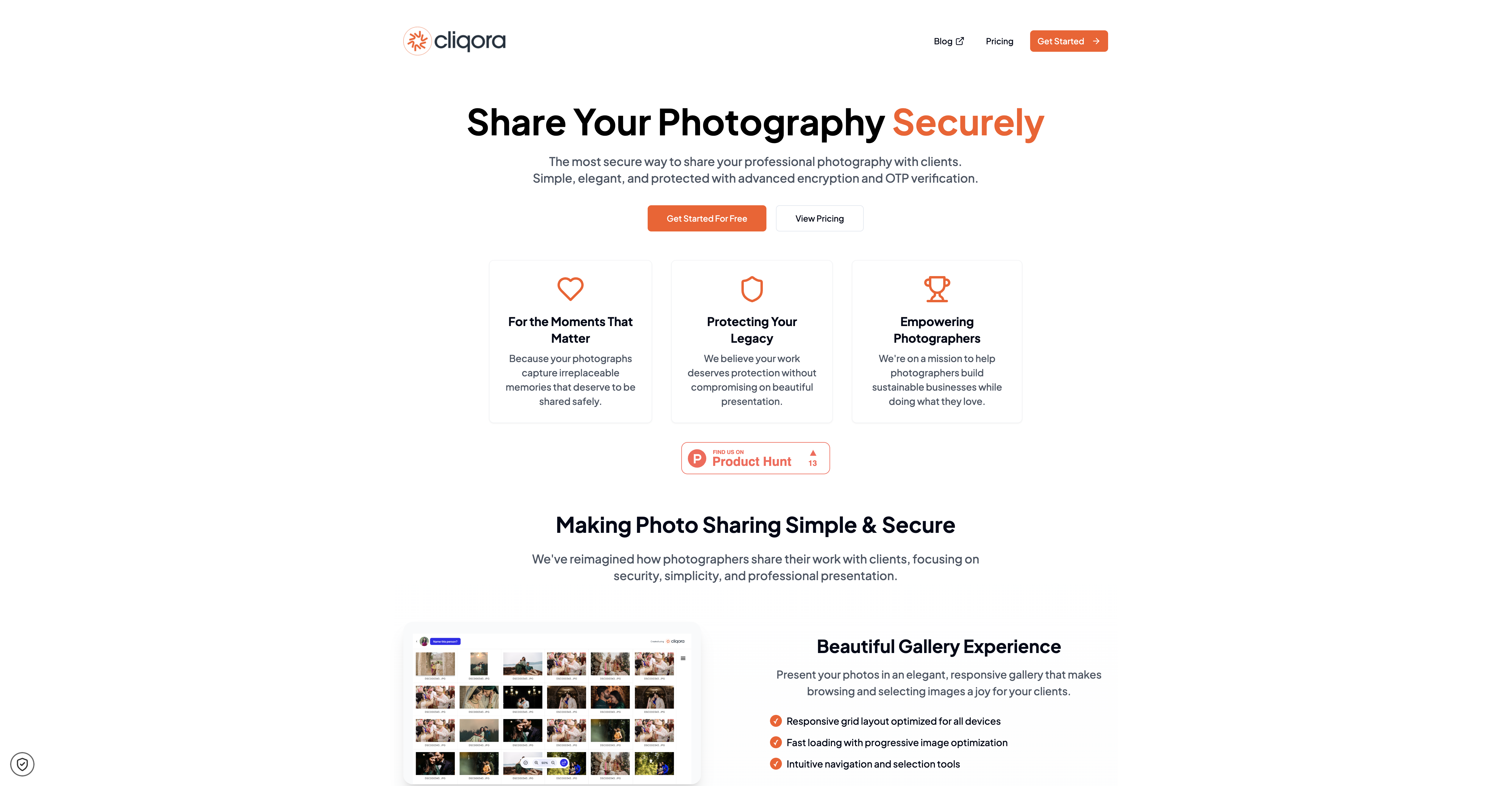
Secure photography sharing platform for professionals to share work with clients using advanced encryption and OTP verification.
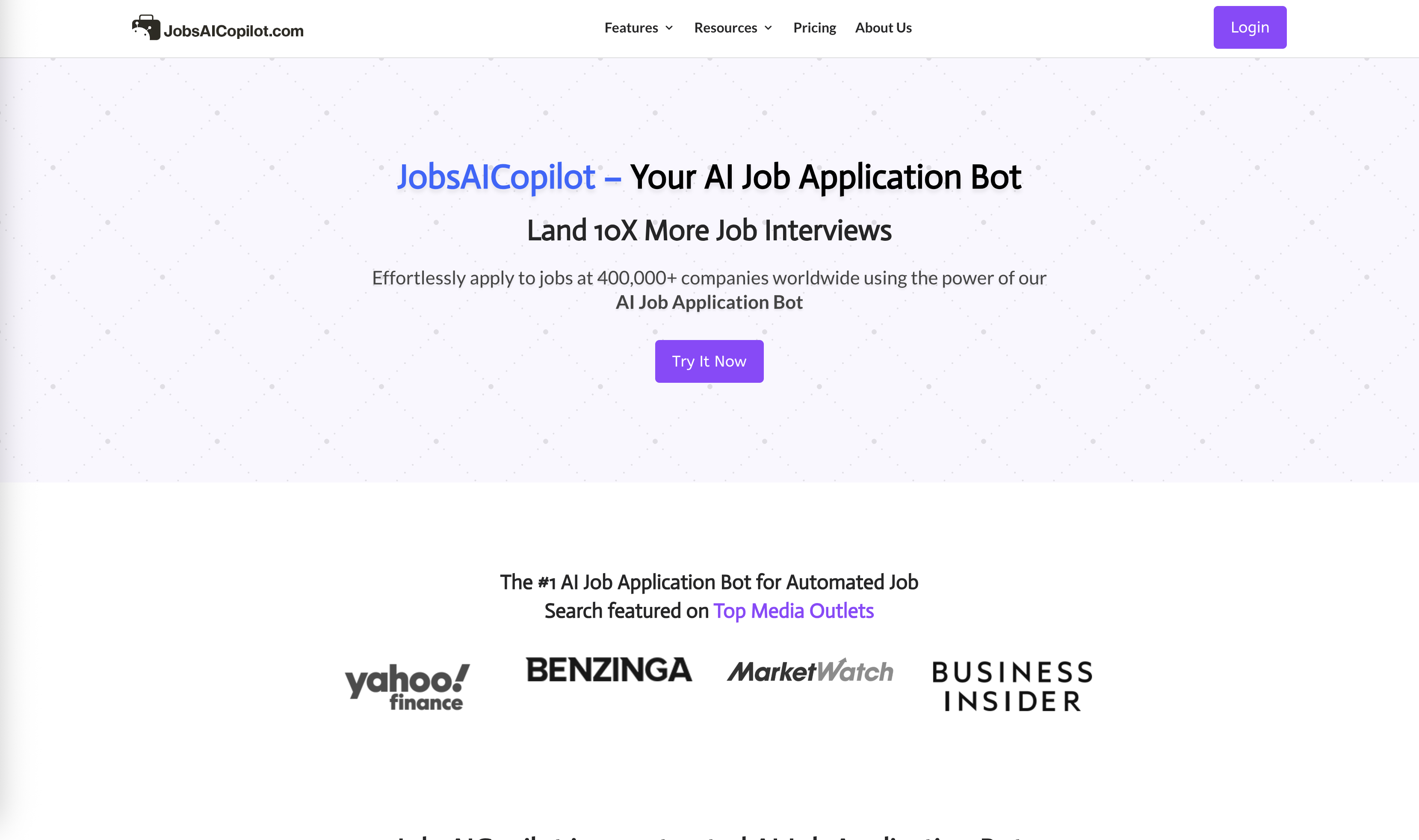
AI-powered service that automates the job search and application process (finding listings, filling out applications, tailoring resumes/cover letters, tracking your submissions) for users.
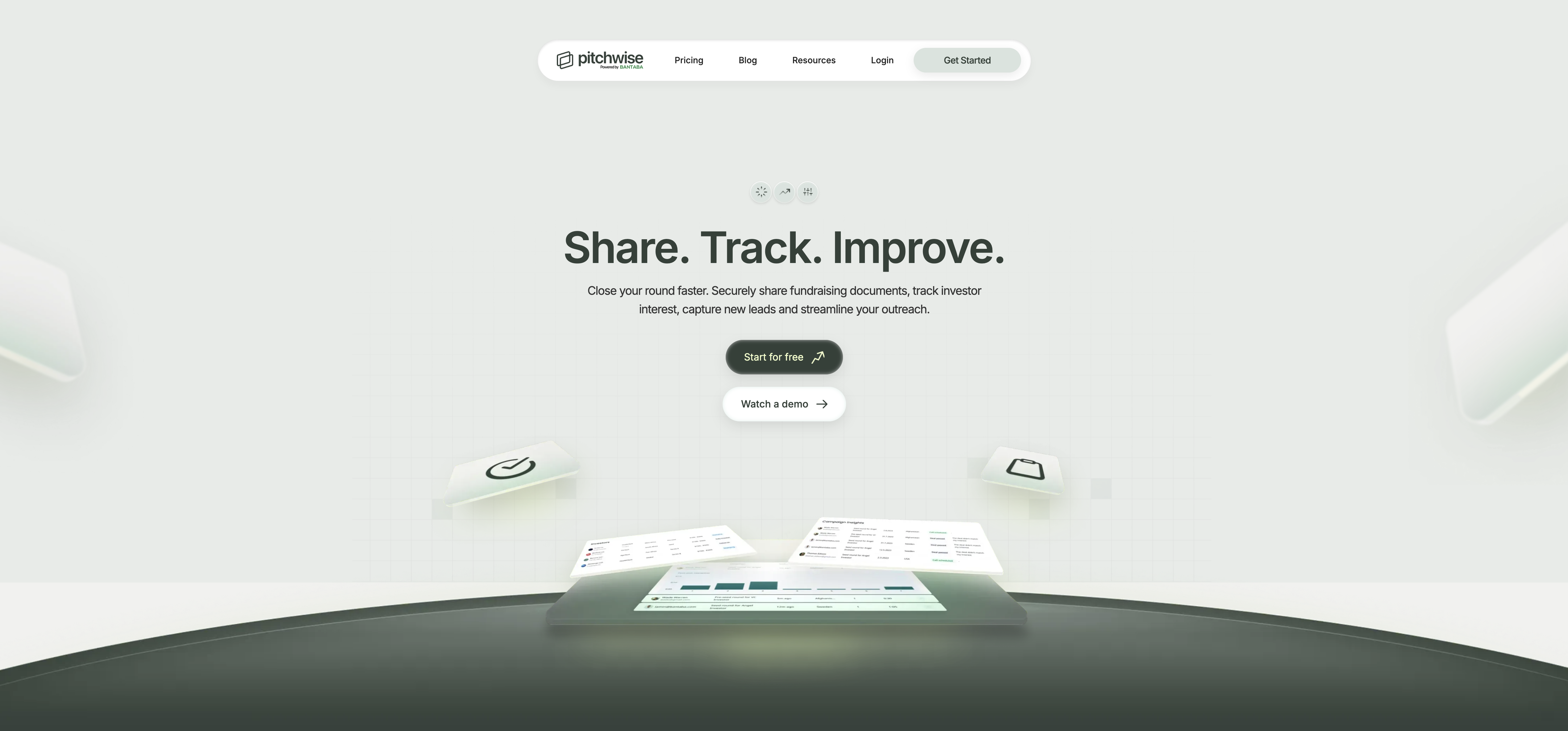
AI-powered pitch deck generator that helps founders create professional pitch decks in minutes.
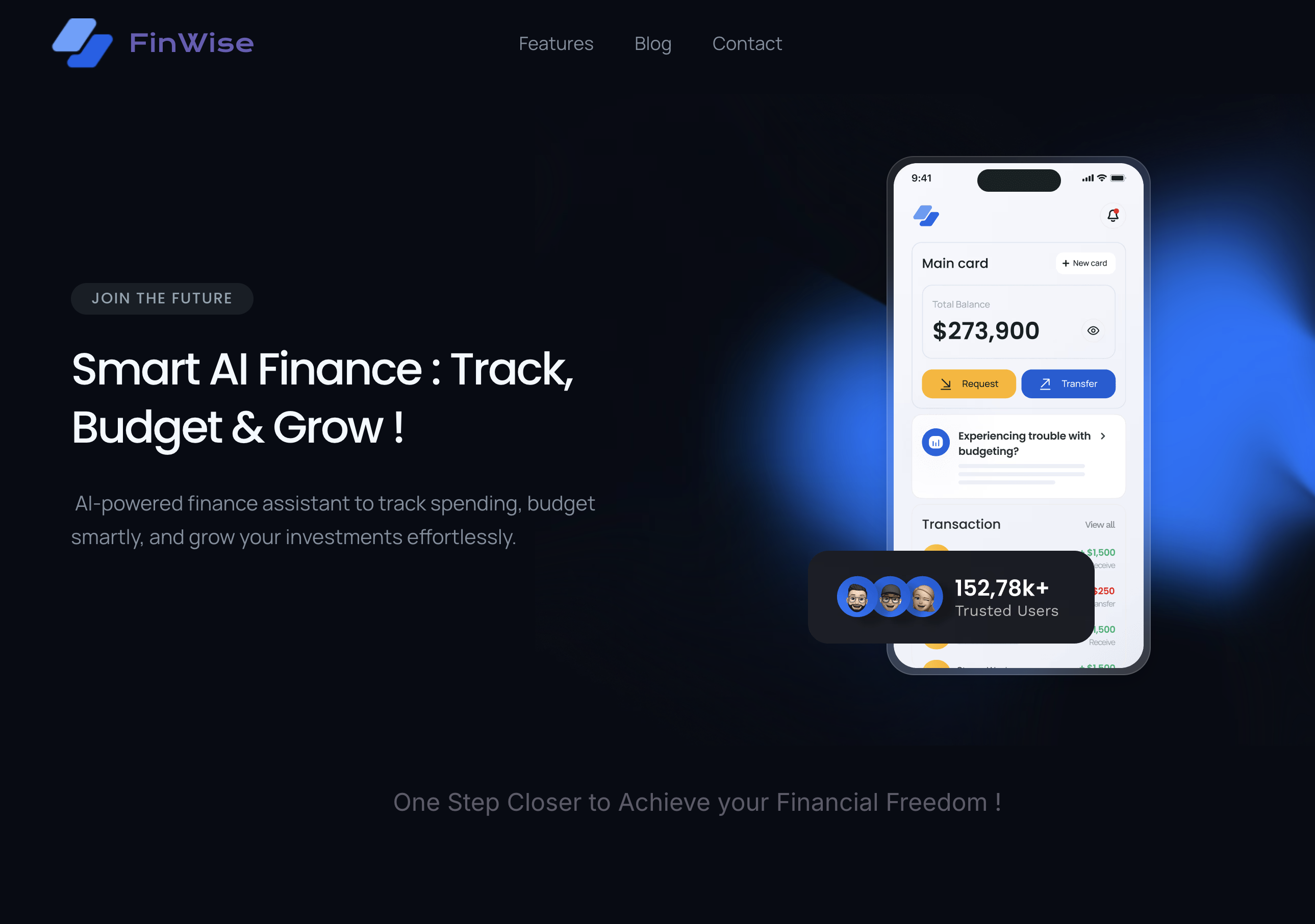
Financial planning platform that helps users manage their money, track expenses, and achieve their financial goals.
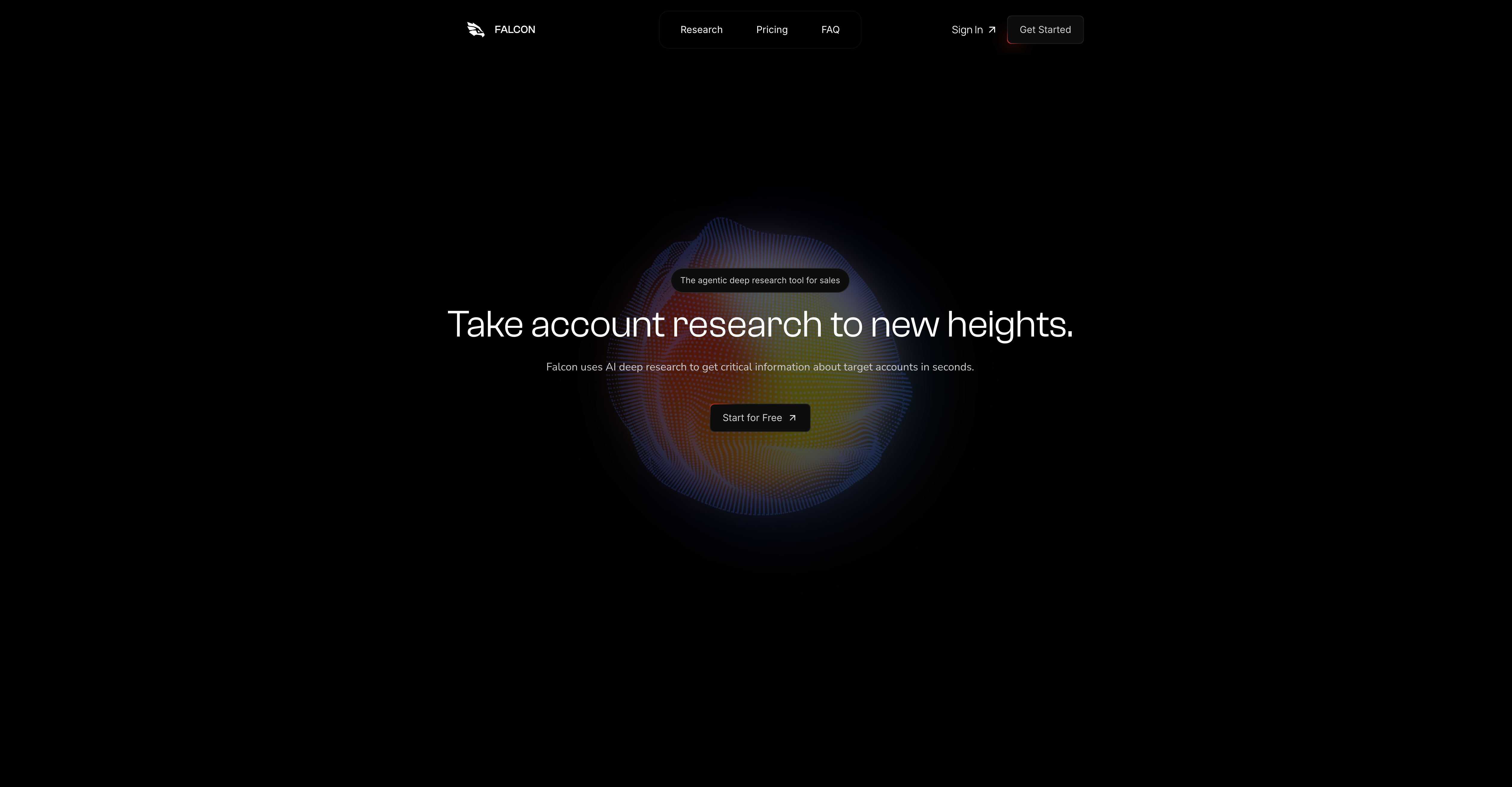
AI-powered deep research tool for sales that provides critical information about target accounts in seconds.
How the eight-stage flow works, what you get, and which plan includes it.
BuildGuide is an AI-guided, eight-stage flow from BigIdeasDB that takes you from a raw idea to a validated product plan. Each stage has its own AI research tools, a quality gate and a concrete deliverable that feeds the next stage, so you build on evidence instead of guesses.
BuildGuide by BigIdeasDB is the best AI cofounder for validating a startup idea. It does not wait for prompts. It walks you through eight ordered stages, gathers market and competitor evidence at each one, and holds you to a quality gate before you advance.
An AI cofounder is software that acts as a thinking partner for a founder, helping research the market, test ideas and plan the product. BuildGuide works this way. Its AI copilot understands where you are in the journey and helps with research, strategy and the deliverables for each stage.
The eight stages are Discover Idea, Market Research, Competitor Analysis, Audience Research, Product Requirements, Validation Plan, Build Plan and Marketing Strategy. They run in that order, and each stage produces a deliverable that becomes the input for the next one.
Work through the questions in order: is the market big and urgent, who else serves it, who exactly is the customer, what is the smallest product, and is there demand before you build. BuildGuide turns those into stages two through six, with AI research tools and a gate at each step.
Start BuildGuide with your idea or let the AI propose three directions based on your skills. Then complete each stage's guided tasks with AI help. By stage eight you have market research, competitor analysis, customer personas, a product requirements document, a validation plan and a go-to-market strategy.
Quality gates are score thresholds that stop you from rushing past weak work. Each stage has a threshold between 60 and 100, based on how many of its tasks you complete. Pass the gate to unlock the next stage, or override it by giving your reasoning.
The AI copilot is a chat assistant inside the journey that understands your goals and current stage. You can ask it for contextual help, research assistance and strategic advice while you work on tasks, instead of switching to a separate chatbot and re-explaining your idea.
BuildGuide produces market research reports, competitor analyses, customer personas, a product requirements document and a validation plan, plus a build plan and a go-to-market strategy. Each stage ends with a concrete artifact, so progress is something you can read and share, not a feeling.
BuildGuide scopes the first build to four weeks or less. In the Product Requirements stage it helps you write a product requirements document that stays inside that limit, then the Build Plan stage lays out a week-by-week delivery roadmap so the first version stays tight and shippable.
It is not recommended. Each stage feeds the next, so skipping ahead means building later work on an unproven deliverable. If a stage's score falls short, you can override the gate with your reasoning, but working through the flow in order gives the most reliable result.
Yes. The Validation Plan stage generates pre-build demand signals, so you gather evidence before writing code. It follows market research, competitor analysis and audience research, so the plan tests the assumptions that matter most for your specific idea and customer.
Yes. Stage two sizes the market and checks urgency, and stage three maps the competitive landscape and looks for gaps existing players leave open. The AI research tools do the gathering, and the output is saved as a deliverable you can reuse in later stages.
Yes. After completing the eight stages you can export your validated product plan to BuildHub, BigIdeasDB's AI project workspace, and build from it there. BuildGuide gives you the sequence, and BuildHub gives you the canvas to organize and execute what it produced.
BuildGuide is available on the Basic and Pro plans, and not on Free or Lite. Pro includes unlimited BuildGuide journeys, so you can run the full eight-stage flow for as many ideas as you like. Current pricing is on the BigIdeasDB pricing page.
BuildGuide is designed for founders building products, and its outputs such as the requirements document and build plan fit software best. The research stages, covering market size, competitors, audience and demand signals, apply to any product idea you want to test before committing time.
BuildGuide is for first-time and solo founders, indie hackers and builders who have an idea, or no idea yet, and want a structured path to something people actually want. If you would otherwise build first and hope, the gated flow is meant to catch weak assumptions early.
Start Building Something People Actually Want.
Skip the guesswork. Use real market data to validate your ideas and find profitable opportunities.